


A property manager gets three quotes for winter service, and all three sound reasonable enough on the phone. Only one of them actually shows up at 5 a.m. after an overnight storm, and there’s usually no way to tell which one from the quote alone.
That’s the real test of snow removal anchorage businesses need, and it rarely shows up in the price.
Why Price Alone Doesn’t Predict Reliability
A low bid is easy to compare side by side. A missed response window during a storm isn’t, mostly because by the time it happens, the contract’s already signed and there’s nothing left to compare.
Most complaints about winter service providers trace back to response time or a scope gap nobody thought to ask about, rarely to cost.

What to Ask Before Signing
Get a specific number for guaranteed response time after a snowfall starts or stops, not “as soon as possible,” which means nothing once a storm actually hits. Confirm the company is licensed and insured for commercial work, since that’s what protects the property owner if something goes wrong on site.
Pin down exactly what’s included too. Plowing, shoveling, sidewalk clearing, and de-icing get bundled together in the sales pitch more often than they get bundled into the actual contract. Ask how a major storm hitting multiple client properties at once gets handled, and specifically how sites get prioritized when everyone needs help at the same time. And decide whether per-push or seasonal pricing fits better, since each carries different risk depending on how heavy the season runs.
A provider who answers all of this specifically, without hedging, is usually the one worth trusting with a contract. One who gets vague on any of it is telling you something too.
Checking Track Record, Not Just Promises
Anyone can promise a fast response. Backing it up is the harder part, and that’s where references actually earn their keep — ask for a few from properties similar in size and use case, not just a generic client list. How long a company’s operated locally matters more in Anchorage than it would somewhere milder, since the winters here test equipment and staffing in ways a lot of climates never do.
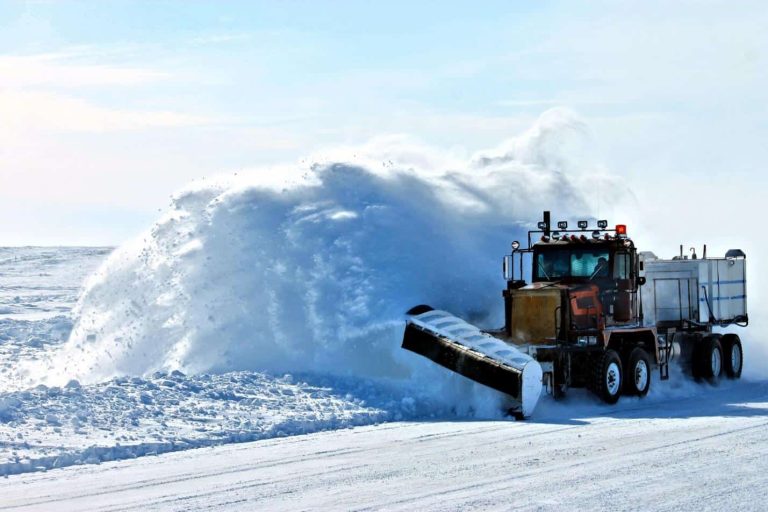
Worth looking for, too: companies like alaskalandworks.com that name the specific commercial industries they serve rather than leaning on a generic “we do snow removal” pitch. And check that their equipment actually matches property size, because a setup built for a small parking lot tends to struggle once it’s asked to cover a large industrial site.
What a Vague Contract Usually Means
A contract that’s light on specifics is rarely a good sign. Scope language that stays vague, no stated response time, pricing that “depends on conditions” without saying how — these are exactly the details that end up mattering most once a storm is actually underway, not before.
A clear contract states response windows, scope, and pricing plainly. If that clarity isn’t there before signing, it’s not likely to show up after.
Frequently Asked Questions
What’s the difference between per-push and seasonal snow removal pricing?
Per-push charges for each individual visit. Seasonal is a flat rate covering the whole winter. Per-push tends to cost less in a light year and more in a heavy one, seasonal runs the opposite way.
Does a commercial property need a written contract, or is a verbal agreement enough?
A written one. It should spell out response time, scope, and pricing clearly, since all three matter far more once a storm is actually underway than they do on paper beforehand.
The businesses that avoid a bad winter surprise usually aren’t the ones who found the cheapest quote. They’re the ones who asked the right questions before the first storm, not after.